Your electrical panel is the heart of your home’s wiring, quietly routing power to every circuit and standing guard against overloads. Most homeowners never think about it until something goes wrong. But an aging or undersized panel rarely fails all at once; it usually gives you warning signs first. Knowing how to read those signs can be the difference between a planned upgrade and an emergency, or worse, a fire. This guide from our Jenkintown electricians walks through the most common signals that it’s time to upgrade your electrical panel, so you can act before a small nuisance becomes a real hazard. If any of these sound familiar, book a panel evaluation and we’ll take a look.
When Should You Upgrade Your Electrical Panel?
The short answer to “when should I upgrade my electrical panel” is: when it can no longer safely carry the load your home demands, or when it shows signs of age and wear that make it unreliable. That can mean an outdated fuse box, a panel too small for modern living, or physical warning signs like heat and scorching. Below are seven of the clearest signs, drawn from what we see on service calls across Greater Philadelphia. You don’t need all seven to justify an upgrade; even one or two is worth a professional look.
1. Breakers That Trip Again and Again
An occasional tripped breaker is normal; that’s the breaker doing its job. But if a circuit breaker keeps tripping for the same circuit, especially when you run everyday appliances like a microwave, space heater, or hair dryer, it’s telling you that circuit is routinely asked for more current than it was built to handle. When several circuits trip often, it usually points to a panel that’s undersized for how you actually use your home. Resetting the breaker over and over treats the symptom, not the cause. That pattern is one of the most reliable signs your panel or circuits need attention.
2. Flickering or Dimming Lights
If you notice flickering lights in your house when the air conditioner kicks on, the microwave runs, or a big appliance starts up, your system may be struggling to deliver steady power. Occasional flicker from a single loose bulb is harmless, but whole-room or whole-house dimming that tracks with appliance use can signal an overloaded panel or loose connections. It’s a subtle sign that’s easy to shrug off, but it’s your home telling you the electrical supply is being stretched thin.
3. You Still Have a Fuse Box or a 60-100 Amp Panel
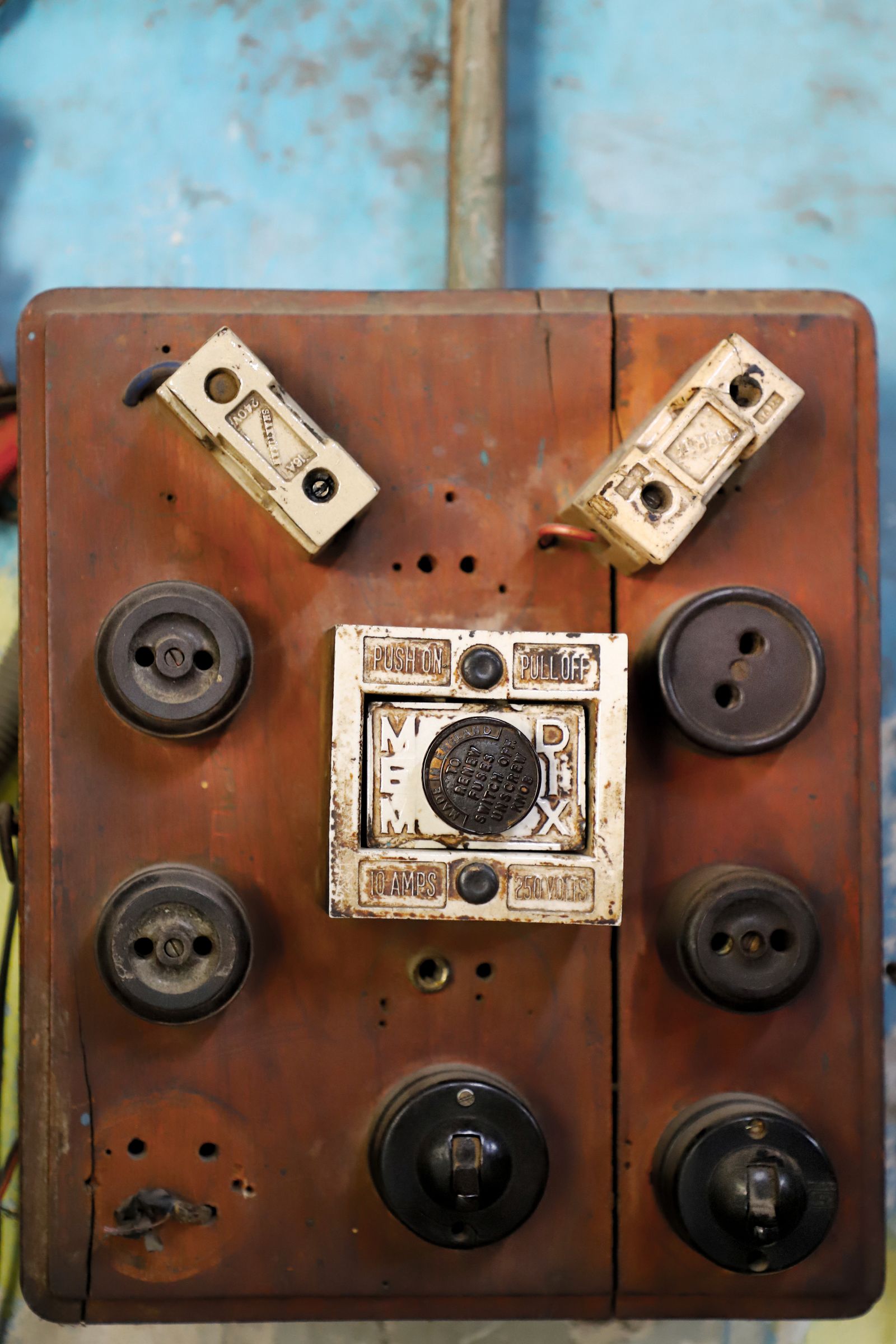
Many older Philadelphia-area homes still run on a fuse box or a small 60-amp or 100-amp service panel. These were fine for the appliances of decades past, but today’s homes run air conditioning, multiple TVs, computers, microwaves, and increasingly EV chargers and heat pumps. A 60-amp or 100-amp panel simply wasn’t designed for that load. Most modern homes are moving to 200-amp service to keep up. If you’re still relying on screw-in fuses or a decades-old panel, a fuse box replacement or panel upgrade is one of the most worthwhile improvements you can make, both for capacity and safety.
4. Buzzing, Scorching, or a Burning Smell
This one is not a “wait and see” sign. If your panel buzzes or crackles, feels warm to the touch, shows scorch marks or discoloration around the breakers, or gives off a faint burning or acrid smell, treat it as urgent. Those are indicators of loose connections, arcing, or overheating inside the panel, all of which are fire risks. If you notice any of these, stop using the affected circuits and call a licensed electrician promptly. Our team offers emergency electrical service for exactly this kind of situation.
5. You Rely on Power Strips and Extension Cords Everywhere
Take a walk through your home and count the power strips and extension cords. If nearly every outlet has one daisy-chained off it, that’s not just a decorating problem; it’s a sign you don’t have enough circuits for how you live. People reach for power strips when a panel and its circuits can’t provide enough outlets in the right places. The fix isn’t more power strips (which can themselves become overload and fire hazards) but more capacity and more circuits, which usually starts at the panel.
6. You’re Adding Major Loads: EV Charger, Heat Pump, Addition, or Hot Tub
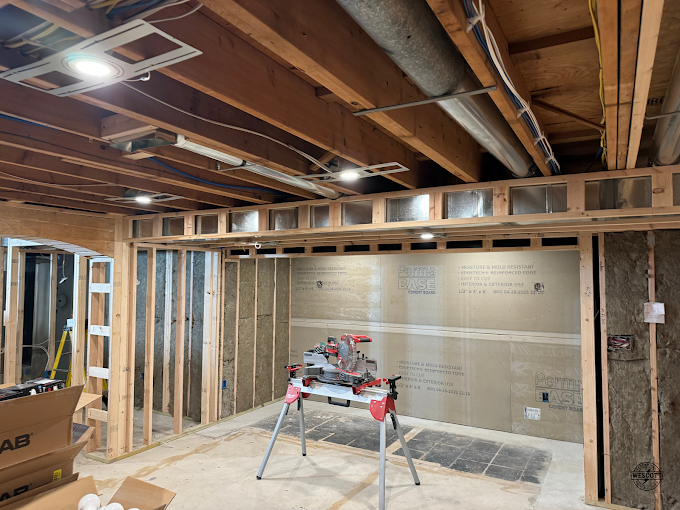
Any time you add a significant new electrical load, your panel has to be able to absorb it. Installing a Level 2 EV charger, switching to a heat pump, building a home addition, finishing a basement, or adding a hot tub can all push an older panel past its limits. Before any of these projects, a licensed electrician runs a load calculation to confirm your existing panel can handle the addition, or whether an upgrade needs to come first. Planning the panel upgrade alongside the project is almost always cheaper and cleaner than discovering the shortfall halfway through.
7. An Insurer, Inspector, or Home Sale Flags It
Sometimes the sign comes from outside your home. Home insurers increasingly ask about panel age and type, and some won’t write or renew a policy on a home with certain older or recalled panels. Home inspections during a sale routinely flag outdated panels and fuse boxes, and buyers often ask for the upgrade as a condition. If an insurer, inspector, or real-estate transaction has raised your electrical panel as an issue, that’s a clear, external signal that an upgrade is due, and handling it proactively puts you in a much stronger position.
What Happens During a Panel Upgrade
A panel upgrade is a permanent improvement to your home’s electrical system, and it’s licensed, permitted work for good reason. A qualified electrician will typically:
- Run a load calculation to size the new panel correctly for how you use your home now and plan to in the future
- Replace an old fuse box or undersized panel with a modern breaker panel, commonly 200-amp service
- Pull the required permits and coordinate inspection so the work meets local township code
- Coordinate with PECO for any utility-side requirements when the service is upgraded
- Add modern protections like AFCI/GFCI breakers where code requires them, improving safety over an old panel
Curious what the investment looks like? Our guide on electrical panel upgrade cost breaks down what drives the price of a 100-to-200-amp upgrade, what’s included, and what to expect, in plain English.
Don’t Wait for the Panel to Fail
The reassuring part is that panels almost always warn you first. Tripping breakers, flickering lights, an aging fuse box, or a warm panel are all chances to fix the problem on your terms rather than during an outage or after an incident. If you recognized your home in even one of these seven signs, it’s worth having a licensed electrician take a look. Our Jenkintown electricians will inspect your existing panel, run a proper load calculation, and give you a straight answer on whether an upgrade makes sense and what it involves. Contact Wescott Electrical for a panel evaluation and get peace of mind about the heart of your home’s electrical system.